

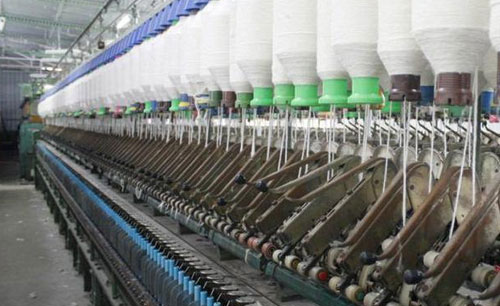
A Wastewater treatment plant for the Textile Industry is a must for the company to ensure compliance with government regulations and industry best practices. This article will discuss the processes involved in the treatment of textile wastewater, how the wastewater is regulated by the Government, and the various ETP plants available in the market. In addition, it will provide information on the types of textile wastewater that need treatment. This will help you decide which ETP plant will work best for your business.
Process of Wastewater treatment in the Textile Industry
Sedimentation is a common method used to treat textile effluent. Sedimentation can remove suspended matter, which is especially important in wastes with high settable solids. Sedimentation tanks are shaped to allow lighter particles to settle out. Most commonly, sedimentation tanks use a horizontal flow design. After the sedimentation process, the settled sludge is removed using mechanical scraping or pumping.
An Effluent Treatment Plant for Textile Industries uses various methods to remove wastewater from the textile industry. These methods remove suspended matter from the effluent, reducing the strength of the water and facilitating secondary treatment. The most common types of sedimentation equipment are centre-feed circular clarifiers and horizontal flow sedimentation tanks. Sedimentation tanks allow the lighter particles to settle. Mechanical scraping or pumping removes the settled sludge from the bottom of the tank.
The textile industry involves the use of a diverse range of materials, machinery, and processes that generate a large volume of water-based effluent. Chemicals used in the textile industry deplete dissolved oxygen and settle suspended substances in anaerobic conditions.
Government regulation for Textile Industry Wastewater

The textile industry is among the highest water users in the country, and wet processing operations can consume 60 to 150 litres of water per kilo of yarn. In addition, India experiences uneven rainfall distribution, leading to a simultaneous occurrence of drought and flood in different districts. Thus, the sustainable operation of water-intensive industries is a major concern for all stakeholders. To ensure that industries operate responsibly, they must comply with the Government regulation for textile industry wastewater treatment plants.
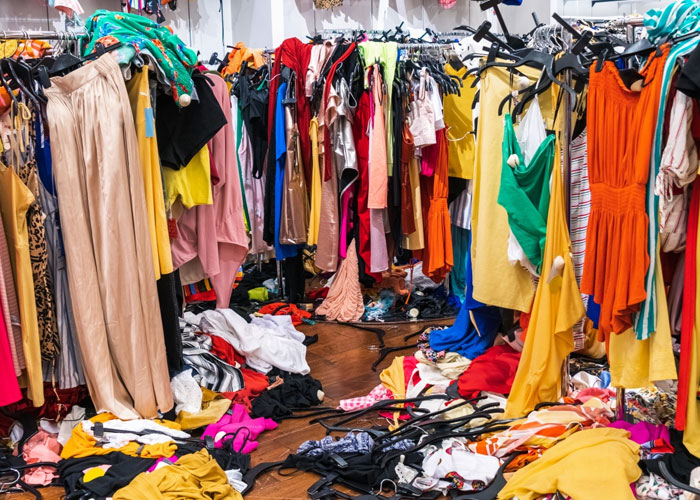
The textile industry produces wastes and chemicals that are potentially toxic. Spills can pollute surface waters, groundwater, and land. Even spills of low toxicity can kill aquatic life, and the responsible organisation may be held liable for any environmental damage. Proper staff training is critical. Many spills are the result of human error and poor training, so management must ensure that employees receive ongoing training on the appropriate disposal of wastewater and chemical waste.
Type of Wastewater required in the Textile Industry
In addition to the challenges mentioned earlier, the type of wastewater required in the textile industry varies greatly. The process of producing wool and cotton fabrics requires higher water consumption than that of polyester and nylon. Water reuse solutions for textile processing operations also face different challenges due to the large volume of water that must be treated. Power consumption, treatment chemicals, and sludge disposal costs are the major factors considered when implementing these wastewater management systems. Furthermore, the need for sustainable treatment solutions for textile wastewater treatment is growing as the global population continues to grow.
The wastewater produced in the textile industry contains high levels of BOD, suspended solids, and dissolved organic compounds. These compounds are used in the textile manufacturing process, which results in high concentrations of total dissolved solids and nutrients. The wastewater is subsequently unified to form one effluent. For textile plants that use wastewater for a number of processes, there are multiple wastewater treatment solutions available to meet their requirements.
ETP plant for Textile Industry
Effluent Treatment Plants (ETPs) for the textile industry are a necessity for the wastewater produced by the textile industry. The wastewater that textile industries produce contains high levels of pollutants such as TSS, metal toxicants, and BOD. As such, it must be treated before being discharged into the environment. An ETP plant for textiles uses a combination of physical, chemical, and biological mechanisms to remove these pollutants and bring the wastewater to a quality suitable for human consumption.
Chemical consumption in ETP plants for the textile industry is large. Chemical consumption is the highest in the coagulation-flocculation unit, with chemical consumption making up more than eighty percent of the overall operating cost. Only a small percentage of the total cost of an ETP comes from the biological unit. Therefore, the ETP plan should closely monitor and account for chemical consumption. The wastewater quality should also be monitored and analyzed.
STP plant for Textile Industry
Textile industries are some of the largest polluters of water and produce huge amounts of wastewater. This wastewater must be treated and discharged to prevent pollution. This process requires the installation of an effluent treatment plant. Textile effluent treatment plants are a great way to protect the environment and limit the amount of pollutants in the water supply. Here are the benefits of textile effluent treatment plants. This plant helps prevent soil and water contamination caused by wastewater discharge from the industry.
Textile wastewater contains high concentrations of chemicals, metal toxicants, and TSS. After the filtration process, the wastewater is passed through an ETP, where pollutants are removed from the water. The water is then treated to an acceptable quality for final discharge to the environment. Textile wastewater treatment plants also have pretreatment processes that use a physical mechanism and screening to remove large solids. The STP plant for textile industries will also help you meet discharge regulations and optimize return on investment.

































Share Post